
Ten common flower growing soils revealed: advantages, disadvantages, and usage guidelines
The first step in cultivating flowers often starts with choosing the right soil. Different plants have vastly different soil requirements, and choosing the wrong soil can lead to root rot, yellowing of leaves, and even death. Today, we will list ten commonly used soils for flower cultivation, analyze their characteristics, advantages, disadvantages, and applicable scenarios, and help you find the most suitable “golden potting soil” for your own plants!
1. Loamy soil: a versatile and adaptable “allrounder.”

Loam soil is a balanced mixture of sand, silt, and clay, which retains water and nutrients, has good permeability, and is rich in natural organic matter. It is like the “panacea” in the soil, suitable for most flowers such as roses, tulips, lilies, etc. The advantage is that it can provide a stable growth environment for plants, but occasional supplementation of compost or organic fertilizer is needed to maintain fertility. Regularly adding organic matter is key to maintaining soil vitality when planting on the ground or in pots.
2. Sandy soil: the “fast drainage expert” for drought tolerant plants
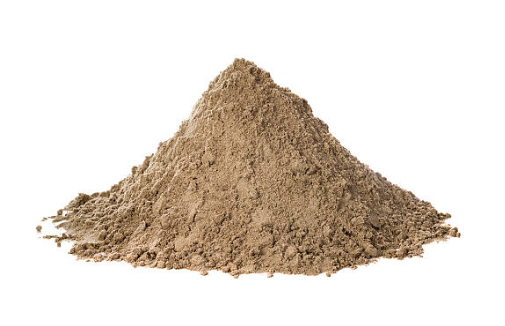
The sand particles are coarse, and the drainage speed is extremely fast, which can effectively prevent root rot, especially suitable for drought-resistant plants such as lavender, sunflowers, and cacti. Its disadvantage is that it has poor water and fertilizer retention ability, is prone to drought, and requires frequent watering and nutrient supplementation. The improvement method is simple: mix compost, peat moss, or clay to enhance water and fertilizer retention capacity, making the sand more suitable for plant growth.
3. Clay Soil: the “treasure trove of nutrients” for wet loving flowers

Clay has a strong ability to retain water and nutrients, is rich in nutrients, and is suitable for wet-loving plants such as iris, aster, and hydrangea. But its drainage is extremely poor, and it is prone to clumping when dry, causing difficulty in root respiration. Improving clay requires mixing sand, compost, or gypsum to enhance breathability and drainage, while avoiding stepping on the soil in damp conditions to prevent compaction.
4. Silt Soil: the “gentle hometown” of water loving plants
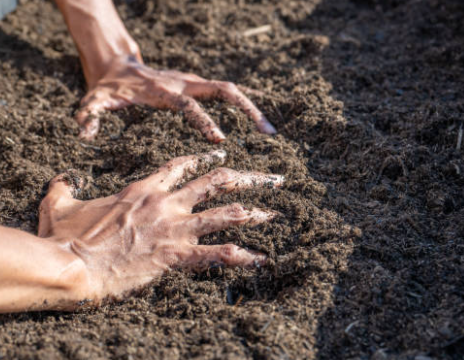
The sandy soil is soft and has excellent water and fertilizer retention ability, suitable for water-loving flowers such as ferns, roses, and daisies. Its disadvantage is that long-term use may become denser and affect drainage. The solution is to regularly add organic matter such as compost to prevent soil compaction and maintain looseness and breathability.
5. Peaty Soil: “exclusive customization” for acid loving plants

Peat soil is slightly acidic and has excellent water retention, making it an ideal choice for acid-loving plants such as azaleas and camellias. But it has poor drainage, is prone to waterlogging when used alone, and requires additional fertilization to supplement nutrients. Suggest mixing with sand or loam to improve the structure, and regularly fertilizing to meet the needs of plants.
6. Chalky Soil: an “alkaline paradise” for alkali loving flowers
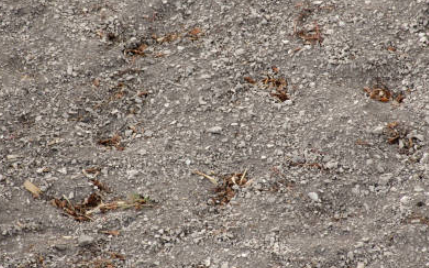
Cretaceous soil has good drainage and is rich in calcium, which can promote strong stem growth and is suitable for alkali-loving plants such as cloves and carnations. But its high alkalinity limits the growth of acid-loving plants and may lead to nutrient deficiencies. When improving, compost and organic fertilizer should be added to enhance soil fertility and nutrient balance.
7. Mulchy Soil: the “natural habitat” for forest flowers
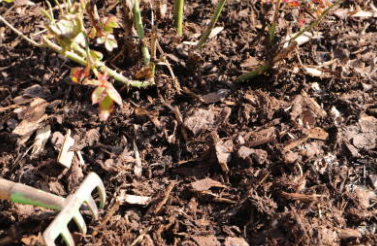
Muddy soil can retain water and air, suppress weeds, and slowly release nutrients, making it suitable for forest flowers such as bluebells and violets. Its disadvantage is that improper maintenance can easily attract pests and requires regular replenishment. When used, it can be used as a soil surface cover, which can not only retain water but also reduce weed growth.
8. Organic-Rich Soil (Compost Soil): a fertile and efficient “nutrient fast train”
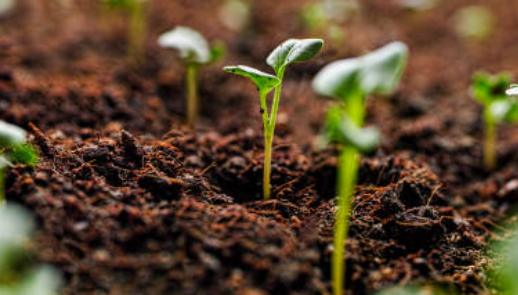
Composted soil is composed of rich organic matter and has extremely high fertility, which can promote healthy plant growth and is suitable for most flowering plants, such as roses and chrysanthemums. But its fertility may be too high, causing some plants to only grow leaves without flowering. Suggest mixing with existing soil to avoid excessive fertilization.
9. Raised Bed Soil: “drainage guarantee” for flood resistant plants

The highland soil has been specially designed with excellent drainage and nutrient retention capabilities, making it suitable for flood-resistant flowers such as petunias and geraniums. Its disadvantage is that it requires annual mixing and maintenance. When in use, compost, loam, and sand can be mixed in proportion and filled into the elevated bed to create the best growth environment for plants.
10. Potted soil: the “lightweight first choice” for potted plants
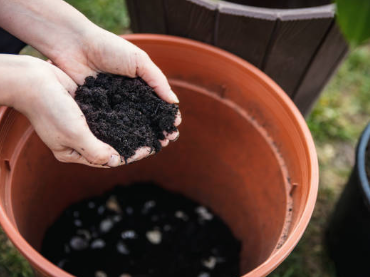
Potted soil is designed specifically for container planting, with a lightweight texture, breathable and water-retaining properties, and free from weeds and pests. It is suitable for potted flowers such as pansies and orchids. But its nutrient consumption is fast and requires frequent fertilization. Choosing high-quality potting soil and regularly fertilizing it is the key to maintaining the health of potted plants.
Conclusion: Choose the right soil, cultivate flowers, and avoid taking the wrong path
The core of flower cultivation lies in “adapting to local conditions” and matching according to plant habits and soil characteristics. Drought-tolerant cacti are suitable for sandy soil, acid-loving rhododendrons cannot do without peat soil, and novice flower growers can use potted soil for peace of mind. Remember, no soil is perfect, but through improvement and combination, plants can always find the most suitable ‘home.’ Next time you change pots, why not take a closer look at your potting soil? It may be the secret weapon for your plants to shine brightly!
