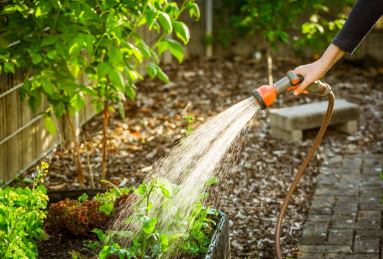
How to Water Horticultural Vegetation Correctly
Watering is one of the most basic and important care tasks in horticulture. If you want plants to grow healthy and grow well, then you must learn how to water them correctly. Whether you are a novice gardening enthusiast or an experienced plant maintenance expert, mastering some practical watering techniques can make your gardening life more effortless. Today, let’s talk about some watering techniques to keep your plants alive.
1. Understand the needs of plants
Different plants have different water requirements. For example, drought tolerant plants such as cacti require less water, while water loving plants such as lawns and flowers require more water. Therefore, before watering, first understand your plant type and its specific needs.
2. Selection of watering time
Choose to water in the morning or evening, and avoid watering during the high temperature period at noon. Watering in the morning helps plants absorb enough water at the beginning of the day, while watering in the evening helps reduce water evaporation, especially in hot summers. Avoid watering during high temperatures at noon, as water evaporates quickly and may cause sunburn of plant leaves.
3. Watering depth
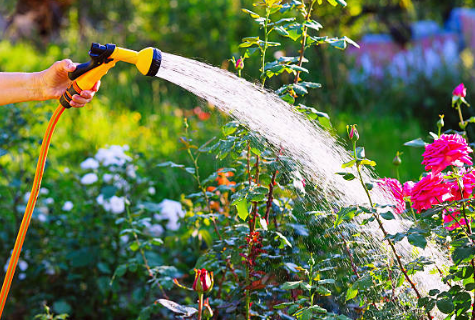
When watering, make sure that the water penetrates into the soil layer where the plant roots are located, not just the surface. Shallow watering can make plant roots overly dependent on surface water, which can lead to shallow and unhealthy roots. According to the type of soil, watering at an appropriate depth can encourage plant roots to grow downward and improve drought resistance.
4. Use appropriate tools
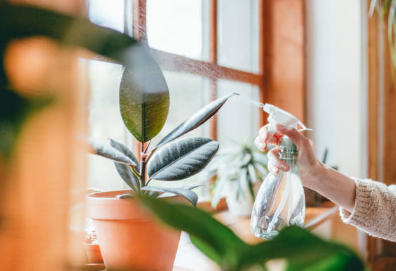
Watering kettle: suitable for flower pots or small horticultural plants, can accurately control water flow.
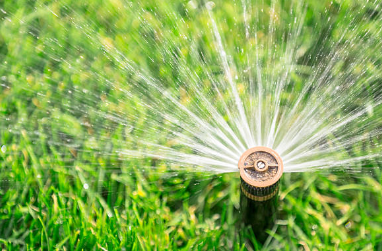
Sprinkler irrigation system: suitable for large gardens, capable of evenly watering plants.
Drip irrigation system: Water is directly transported to the roots of plants through pipes and drip heads, which is water-saving and efficient, especially suitable for households that are not at home for a long time.
5. Avoid excessive watering
Overwatering can easily lead to waterlogging, oxygen deficiency, and even decay of plant roots. Ensure good drainage of the soil to avoid water retention around the roots. If the soil is always moist, it means you may have watered the plants too much.
6. Check soil moisture
Before watering, you can insert your fingers into the soil about 2-3 centimeters deep to check the moisture level of the soil. If the soil feels dry, it’s time to water it; If the soil feels moist, watering is not necessary. This can effectively avoid excessive watering.
7. Pay attention to weather changes
In rainy or humid seasons, plants usually have less demand for water. At this time, watering frequency can be reduced to avoid damage to the roots of plants caused by accumulated water.
8. Special attention should be paid to container plants
If you plant potted plants at home, especially small potted plants, be more careful when watering. Due to the limited amount of soil in potted plants, excessive watering can easily lead to waterlogging, affecting the health of plant roots. You can choose potted plants with drainage holes to ensure that excess water can be drained in a timely manner.
Summary:
When watering horticultural vegetation, the amount and frequency of watering should be adjusted according to the type of plant, soil conditions, and weather changes. Timely and moderate watering is the key to maintaining healthy plant growth.
