
Comparison of Flower Pot Materials: Characteristics and Selection Guidelines for Clay, Plastic, and Ceramic
When choosing a flowerpot, the material directly affects the growth and maintenance difficulty of the plant. The following is an objective analysis of three common flowerpot materials to help you make a choice based on your needs.
Clay flowerpot
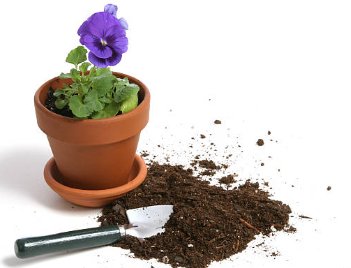
Clay flower pots are made by firing clay and have a porous structure, which can effectively promote the circulation of air and water. They are suitable for drought-resistant plants such as succulents and cacti, and prevent root water accumulation and decay. It has a large weight, strong stability, and is suitable for tall plants or outdoor environments. But clay flower pots are fragile, prone to cracking due to temperature changes, and evaporate quickly, requiring frequent watering. In addition, after long-term use, the surface may develop anti-alkali or moss, which affects its appearance.
Plastic flower pot
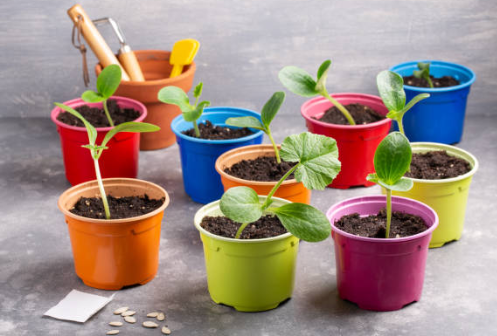
Plastic flower pots are usually made of polymer materials, lightweight, easy to transport, and suitable for mobile scenarios such as balconies and windowsills. It has good water retention performance, can reduce watering frequency, and is suitable for busy maintenance workers. Plastic flower pots are affordable and come in a variety of styles (such as gallon pots, self-priming pots, etc.) to meet the needs of different plants. However, plastic flower pots have poor breathability, and excessive watering can lead to root hypoxia. They need to be used in conjunction with loose soil and drainage holes. Some plastic pots may age due to long-term sun exposure, affecting their service life.
Ceramic flowerpot
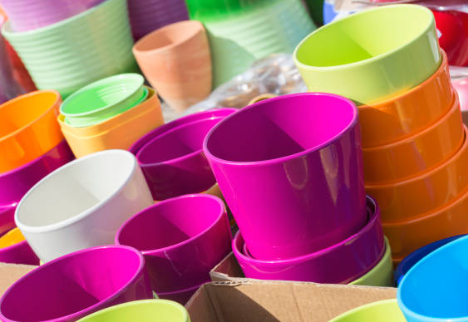
The surface of ceramic flower pots is covered with a glaze layer, which has strong water retention ability and is suitable for tropical plants, wet-loving flowers, and other plants that require a high humidity environment. Its appearance is beautiful, with diverse colors and designs, which can enhance the decorative effect of the indoor or terrace. However, ceramic flower pots have poor breathability and slow water evaporation. Improper drainage can easily cause root rot. Therefore, it is necessary to lay ceramic particles at the bottom of the pot and use breathable soil. In addition, ceramic flower pots are heavy, inconvenient to transport, and usually priced higher than plastic or clay flower pots.
How to choose a suitable flowerpot?
Drought-tolerant plants (such as succulents and cacti):
Priority should be given to clay flower pots, utilizing their breathability to avoid water accumulation.
Water-loving plants (such as green ivy and ferns):
Plastic flower pots have more practical water retention and portability.
Plants with high decorative needs (such as tropical flowers and bonsai):
Ceramic flower pots are more suitable for both aesthetics and water retention.
No matter which material is chosen, the drainage holes at the bottom of the flowerpot and loose soil are the foundation for healthy plant growth. A reasonable selection of flowerpot materials based on the water requirements, maintenance environment, and personal preferences of plants is necessary to provide the best growth conditions for plants.
