
6 Common Plant Pests and Their Control Methods
Healthy plants can tolerate a small number of pests, but when the number of pests increases dramatically, it may cause serious damage to the plants. Understanding the types and control methods of pests is the key to protecting plants. The following are the 6 most common pests in courtyards and their natural control strategies:
1. Aphids
Aphids are the “number one enemy” of courtyard plants, reproducing rapidly and gathering on leaves and tender stems to feed on sap, causing slow plant growth, curled leaves, and possibly spreading viral diseases.
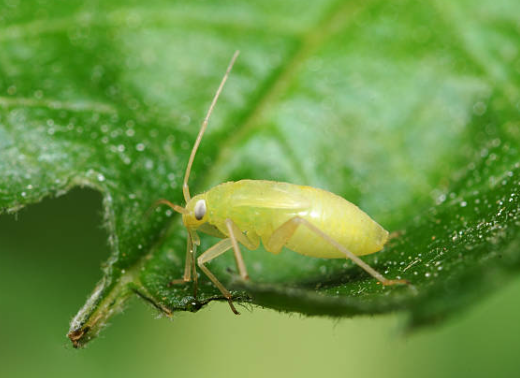
Prevention and control methods:
Physical removal: Rinse the leaves with a high-pressure water gun or clean water to directly remove aphids.
Biological control: Planting herbs such as mint and rosemary in the courtyard to attract natural enemies such as ladybugs and sand flies; Or manually release aphid cocoon bees.
Natural medicine: Spray homemade chili water (filtered after boiling chili) or matrine solution, safe and effective.
Regular cleaning: timely removal of weeds and residues to reduce aphid breeding grounds.
2. Spider mites
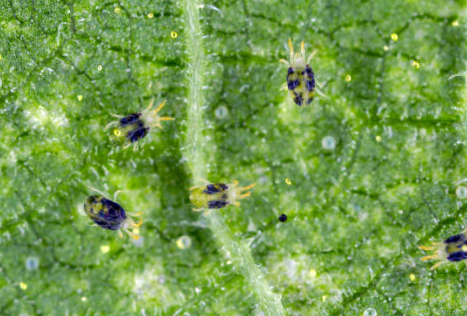
Spider mites are small in size and prefer dry environments. They will form webs on the back of leaves, causing yellow white spots to appear on the leaves. In severe cases, the entire leaf may fall off.
Prevention and control methods:
Increase humidity: Regularly spray water on plants to increase air humidity and suppress spider mite reproduction.
Physical prevention and control: Rinse the leaves with clean water or remove severely damaged leaves.
Natural medicine: Spray pyrethrum oil or plant soap containing saponin, with a focus on spraying the back of leaves.
Biological control: Introduce predatory mites, such as the Chilean Phytophthora infestans, specifically targeting spider mites.
3. White fly
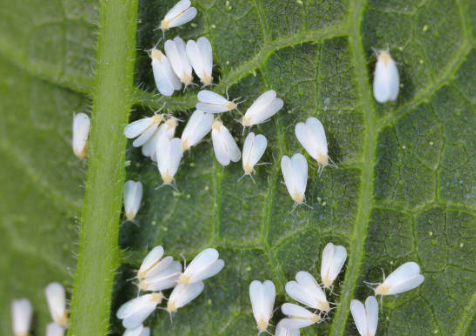
Both adult and larval white flies feed on plant sap, causing leaves to turn yellow and wither. The honeydew secreted can also trigger coal smoke disease.
Prevention and control methods:
Physical trapping: Hang yellow sticky insect boards in the courtyard and use the yellow tendency of white flies to trap and kill them.
· Chemical control: use pyrethrum oil spray to directly act on adults and larvae.
Agricultural management: Remove weeds and debris from the courtyard, reduce the habitat and food sources of white flies.
4. Ear worms
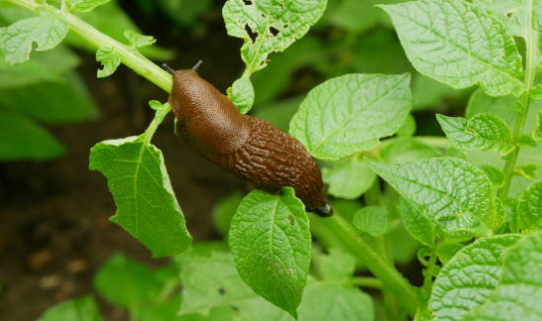
Ear worms (such as snails and slugs) like to gnaw on the leaves and flowers of plants such as chrysanthemums, clematis, and lilies, and are particularly active in humid environments.
Prevention and control methods:
Artificial capture: manually capture and process around plants in the evening or early morning.
Barrier protection: Sprinkle coffee grounds, eggshell fragments, or diatomaceous earth at the base of the plant to form a physical barrier that prevents earworms from approaching.
Trap method: Place a shallow tray filled with beer in the corner of the courtyard, and the earworms will be attracted and drown.
Environmental control: Reduce water accumulation and damp areas in the courtyard, and keep the ground dry.
5.Cutworms
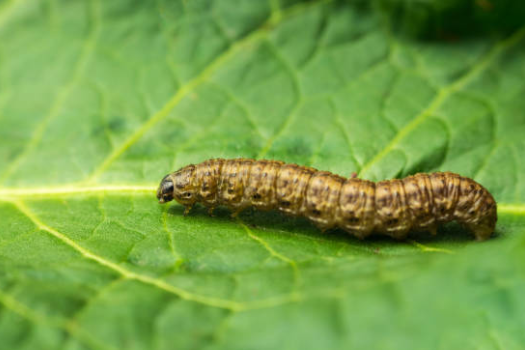
Cutworms are moth larvae that lurk in the soil during the day and gnaw on the base of plant stems at night, causing young seedlings to fall and die.
Prevention and control methods:
Physical protection: Cover the base of the seedlings with a protective ring made of cardboard or plastic cups to prevent cutting insects from gnawing on them.
Artificial capture: Check the soil around the plants in the morning and immediately remove any pests found.
Agricultural management: Before planting, deeply plow the soil and use sunlight exposure to kill some insect eggs and larvae; Remove weeds and debris from the courtyard to reduce the hiding places for pests.
6. Mealybugs
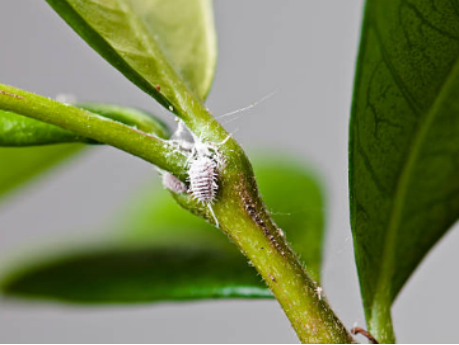
Mealybugs attach to plant branches or leaves, forming a white or brown waxy protective layer that hinders plant growth and, in severe cases, leads to plant wilting.
Prevention and control methods:
Physical cleaning: Use a soft brush or cloth to wipe the insect bodies on the branches, or use a toothpick to remove them.
Chemical control: Spray insecticide soap containing alcohol to dissolve the wax layer of scale insects; Or use mineral oil spray to suffocate insects.
Biological control: protect and introduce natural enemies such as parasitic wasps and ladybugs, and control the number of scale insects.
Through the above natural pest control methods, it is possible to effectively control courtyard pests and reduce the damage of chemical pesticides to the environment and plants. Regularly observe the condition of plants, promptly deal with pest infestations, and keep your yard vibrant and beautiful at all times!
