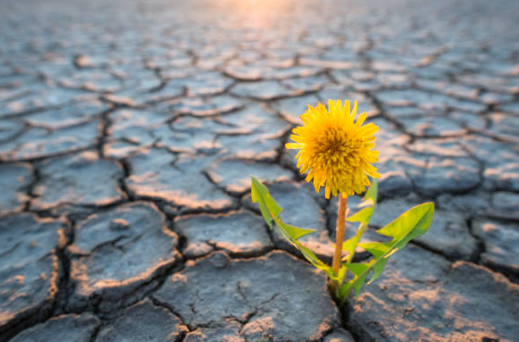
What is a good soil for growing flowers?
https://www.cethis.com/the-comprehensive-guide-to-garden-soil-optimization-and-sustainable-waste-management/
Soil is the foundation of plant growth, directly determining the health and prosperity of flowers. Whether you are a novice gardener or a seasoned enthusiast, understanding the characteristics of soil and scientifically improving it is the key to making your garden vibrant. This article will comprehensively analyze how to create the most suitable “fertile soil” for flower growth from soil types, testing methods, improvement techniques to plant selection.
1、 Understanding Soil Types: Differences between Sand, Clay, and Loam Soil
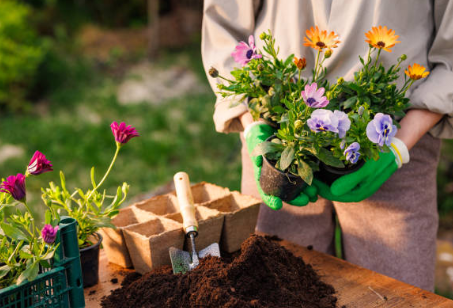
Soil can be divided into three categories based on its quality, each with distinct characteristics and suitable plants for planting:
1. Sandy soil: fast drainage but requires nutrient supplementation
The sand particles are rough and drain quickly, like an acute “quick shooter”. It is suitable for root rooted plants such as carrots and potatoes, and can also allow lavender and succulents to grow calmly in drought. However, sandy soil has poor water and fertilizer retention ability, and it is necessary to enhance this ability by adding compost or manure, covering rice straw to reduce water evaporation, and using slow-release fertilizers to continuously supplement nutrients, in order to enable plants to sustainably thrive in sandy soil.
2. Clay: Strong water retention but requires breathability
Clay soil is sticky and heavy, with strong water and fertilizer retention ability. However, due to poor drainage, it is prone to water accumulation, leading to root suffocation. It is suitable for growing wet crops such as spinach and cabbage, as well as trees such as apple trees. Improving clay requires mixing compost or sand to improve its permeability, planting on elevated beds or soil piles to avoid water accumulation, and avoiding stepping on the soil in damp conditions to prevent compaction, in order to unleash its potential.
3. Loam soil: the ideal universal soil
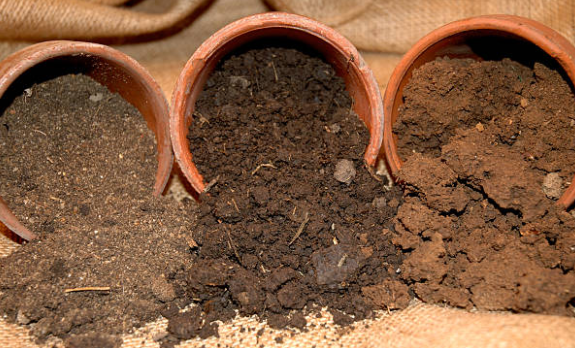
Loam is a perfect balance of sand, silt, and clay, and can be called the “universal stage” in soil. It retains water and nutrients and has good breathability, making almost all plants feel like fish in water. Whether it’s delicate roses, juicy tomatoes, or fragrant herbs, they can stretch their roots in the soil and absorb balanced nutrients. However, even ideal loam soil requires regular addition of compost and crop rotation to maintain its fertility and vitality.
2、 Testing Soil: The Key Role of pH and Nutrients
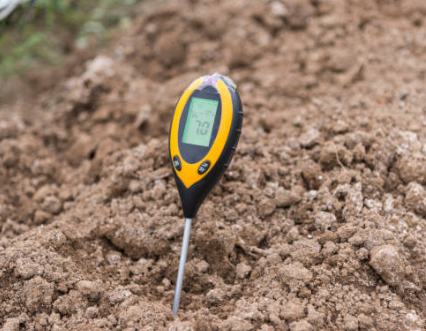
Detecting soil pH value
The pH value of soil directly affects the absorption of nutrients by plants. Using home testing kits, digital pH meters, or DIY methods (mixing soil with vinegar/baking soda to observe bubbles) can determine acidity or alkalinity. Acidic soil (pH<6.0) can be neutralized by adding lime, while alkaline soil (pH>7.5) requires adjustment with sulfur, peat moss, or compost.
Supplement soil nutrients
Nitrogen, phosphorus, and potassium are key nutrients for plant growth:
Nitrogen (N): Promotes leaf growth and can be supplemented by composting or manure.
Phosphorus (P): supports root development by using bone meal or phosphate.
Potassium (K): Helps with flowering and fruiting by applying wood ash or banana peels.
3、Improving Soil: A Sustainable Method for Long term Health
Composting magic: turning kitchen waste, fallen leaves, grass clippings, etc. into compost, injecting rich organic matter into the soil, and enhancing water and fertilizer retention capacity.
Cover and retain moisture: Cover the soil surface with straw and sawdust to reduce water evaporation and inhibit weed growth, allowing the soil to breathe smoothly.
Planting cover crops: Planting alfalfa, rye, etc. during the off-season to naturally fix nitrogen, improve soil structure, and reserve nutrients for the next season’s plants.
Crop rotation system: Change the planting area every year to prevent the accumulation of pests and diseases and the depletion of soil nutrients, allowing the soil to “recuperate”.
4、Adapt to local conditions: choose plants based on climate and soil
Hot and dry regions (such as Arizona, Spain)
Choose drought tolerant plants such as succulents, rosemary, tomatoes, etc., and combine them with compost to retain water and cover to reduce evaporation, adapting to high temperature and dry environments.
Wet and rainy areas (such as Florida, UK)
Planting wet crops such as lettuce, strawberries, blueberries, etc., improving drainage through elevated beds or mixed sand to avoid soil water accumulation and root rot.
Cold and short growing season regions (such as Canada and Northern Europe)
Choose cold resistant plants such as carrots, kale, garlic, etc., and use greenhouses or elevated beds to accelerate soil warming and extend plant growth cycles.
Summary:
Actually, the most basic way to cultivate flowers is to understand the soil. No matter if your soil is sandy, clay, or loam, as long as you adjust the planting method according to the characteristics of the soil, the flowers can grow well. For example, if sandy soil is easy to dry, add more compost to retain water; If the drainage of clay is poor, an elevated bed should be used; Loamy soil is the most worry free, but regular fertilization is also necessary to maintain fertility.
It is not difficult to test the pH value and nutrients of soil. Buying a test kit or using materials from home can easily determine what is missing and what needs to be supplemented. The methods for improving soil are also very practical, such as composting, covering straw, and crop rotation. Ordinary people can do these operations at home, and if they persist, the soil will become healthier.
https://www.cethis.com/the-comprehensive-guide-to-garden-soil-optimization-and-sustainable-waste-management/
